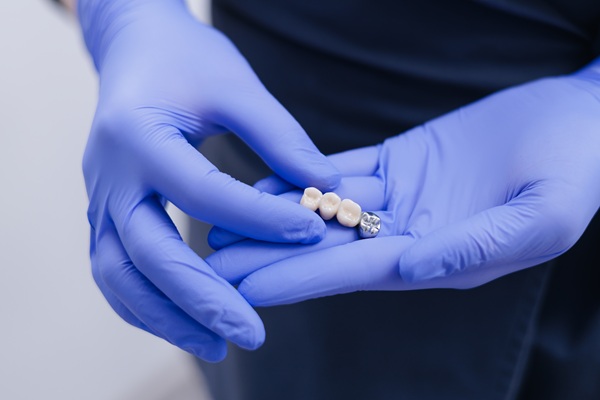
A dental bridge may be the right option when a missing tooth starts to affect chewing, speech, or the alignment of nearby teeth. Gaps in the smile can do more than change appearance. Over time, surrounding teeth may drift into the open space, affecting the bite and making cleaning more difficult. A general dentist can examine the area and determine whether a dental bridge fits the patient’s oral health needs and long-term goals.
Signs that a bridge may help
Many patients consider a dental bridge after losing one tooth or several teeth in a row. This restoration fills the space with an artificial tooth supported by the natural teeth or implants next to it. Patients may notice it is time to discuss a dental bridge when they have trouble chewing certain foods, feel self-conscious about a visible gap, or notice movement in nearby teeth.
A missing tooth can also change how pressure spreads across the bite. Some patients begin chewing on one side more often, which may place extra strain on other teeth and the jaw. Speech changes may also happen, especially when front teeth are missing. A dental bridge can help restore a more even bite pattern while improving daily function.
How a dental bridge works
A dental bridge replaces the missing tooth between two supports. In a traditional bridge, the teeth on each side of the gap receive dental crowns that hold the replacement tooth in place. In other cases, the dentist may recommend an implant-supported bridge when more support is needed or when the neighboring teeth should remain untouched.
The right design depends on several factors, including the location of the gap, the condition of the nearby teeth, and gum health. A general dentist will also assess the bite, bone support, and the pressure the bridge must withstand during chewing. This planning step helps determine whether a dental bridge can support both comfort and long-term function.
When timing matters
Delaying treatment for a missing tooth may create added problems over time. Teeth can shift, plaque can collect more easily in hard-to-clean spaces, and the bite can change in ways that affect comfort. These changes may make future treatment more involved. Discussing a dental bridge early gives the dentist a chance to protect the surrounding teeth and keep the treatment plan more straightforward.
Some patients may also have older dental work near the gap, such as crowns or large fillings. In those cases, a dental bridge may serve two purposes: replacing the missing tooth and restoring the surrounding teeth. This can help create a more balanced result across the smile.
Restoring your smile
A dental bridge can be a practical option for patients who want to replace a missing tooth and support everyday comfort. By filling the gap, this restoration may improve chewing, help maintain tooth alignment, and restore a more complete smile. A dental exam is the next step in deciding whether a dental bridge matches the patient’s oral health needs, the condition of nearby teeth, and the goals for treatment. For more information or to schedule an appointment, call our office.
To schedule a consultation, please request an appointment on our website at https://hanfordcosmeticdentist.com or call Rushi Panchal DDS at (559) 582-4351 to arrange an appointment at our Hanford office.
Check out what others are saying about our dental services on Yelp: Dental Bridges in Hanford, CA.
Recent Posts
Dental crowns function as protective caps for severely damaged or decayed teeth. These restorations use durable materials such as porcelain-fused-to-metal, zirconia, or ceramic to withstand the daily pressures of chewing. However, even the most resilient dental crowns can experience structural fatigue or adhesive failure. Identifying the symptoms of a damaged dental crown is the first…
When you look for an Invisalign® dentist, the goal is to achieve a straighter smile without the hassle or appearance of traditional metal hardware and wires. This modern approach to teeth straightening relies on clear aligner sets to shift the teeth into place with high accuracy. The process is straightforward. However, the success requires a…
Tooth sealants are essential for protecting natural teeth from decay and damage. Dentists apply these thin, protective coatings to the chewing surfaces of your molars and premolars. While tooth sealants are particularly effective for children and teenagers, they can also benefit adult patients seeking extra protection against tooth decay. By providing an additional layer of…
Dental bonding uses tooth-colored composite resin to repair small flaws, reshape edges, and refresh a smile with minimal enamel removal. The dentist conditions the surface, places pliable resin, sculpts the contours, then cures and polishes for a seamless blend. Composite resin bonds micromechanically to enamel and dentin, forming a strong bond. Since the technique preserves…